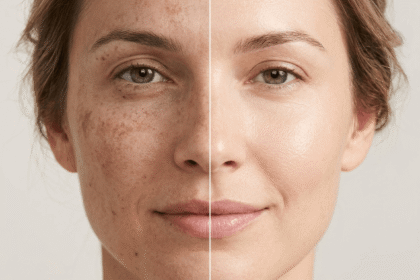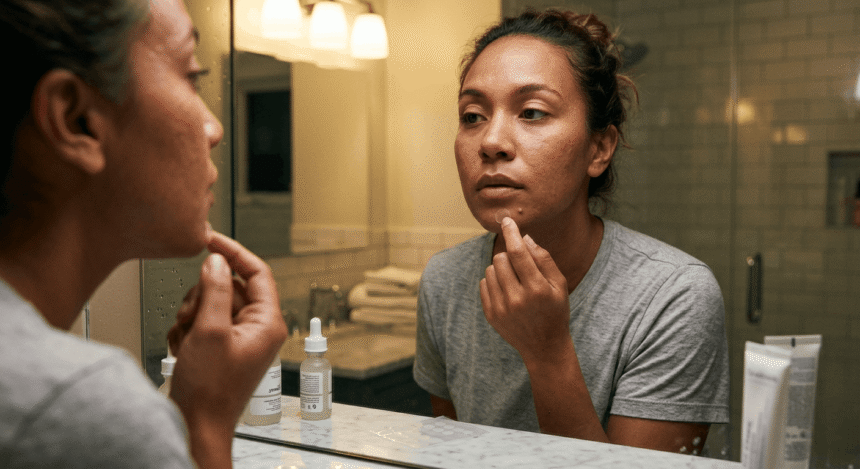
It always happens at the worst time. Big event tomorrow. Important meeting in the morning. And there it is — a pimple that wasn’t there when you went to bed.
If you’ve ever frantically searched how to get rid of pimples overnight, you know the frustration. The good news is that while no method erases a pimple in literally zero hours, several approaches can dramatically reduce redness, swelling, and size by morning. The key is knowing which ones actually work — and which ones make things worse.
Here’s the honest guide to overnight pimple treatment.
Why Pimples Appear Overnight
Before reaching for anything, it helps to understand what you’re dealing with.
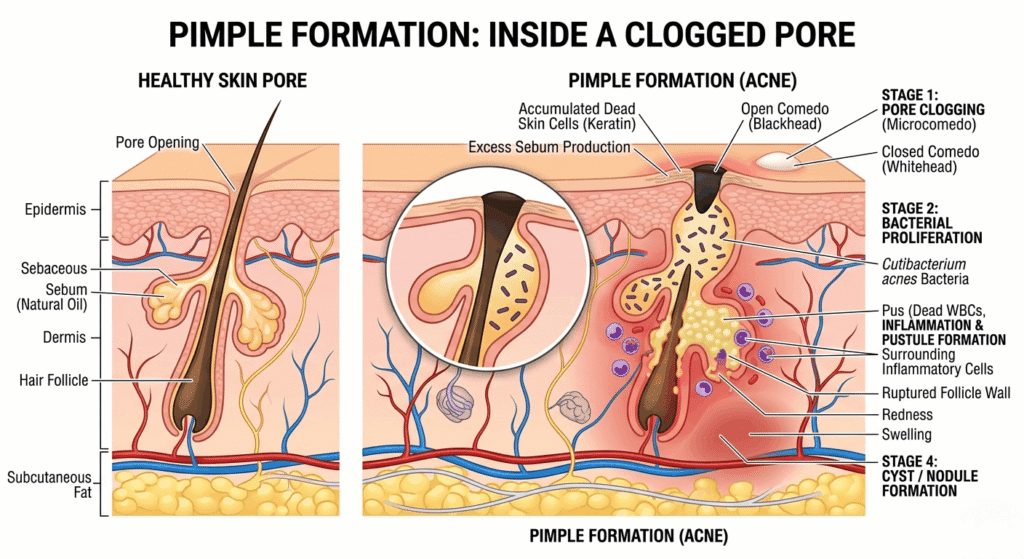
Pimples form when a pore gets clogged with oil, dead skin cells, and bacteria. The redness and swelling come from your body’s inflammatory response to that bacteria. What feels like it “appeared overnight” was actually developing under the skin for days — it just broke the surface while you were sleeping.
That means the goal overnight isn’t to fully cure acne. It’s to reduce inflammation fast and stop the pimple from getting worse.
The Best Overnight Pimple Treatments
1. Pimple Patches (Hydrocolloid Patches)
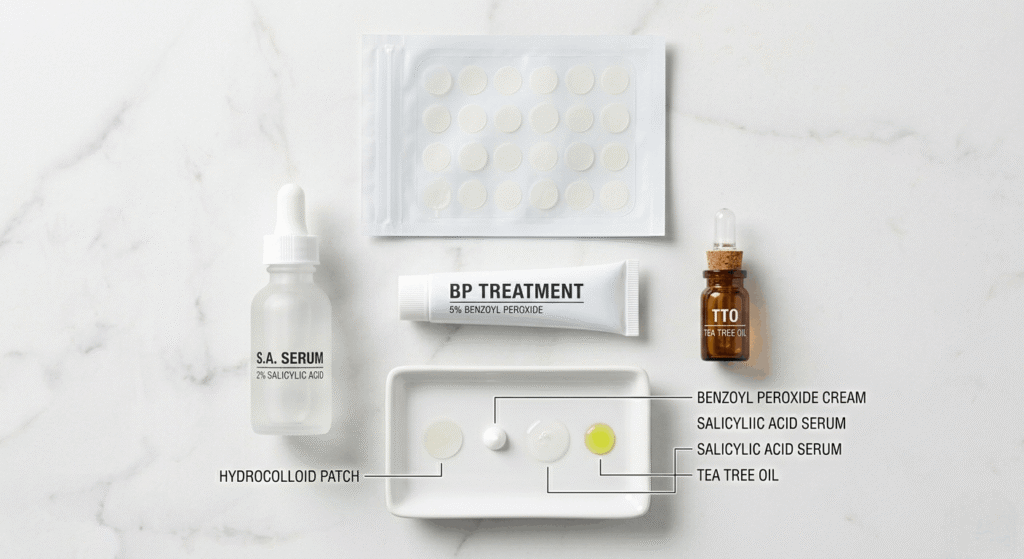
This is genuinely the most effective option for surface pimples with a visible head. Pimple patches are small stickers made from hydrocolloid material — the same stuff used in wound care.
They work by:
- Absorbing pus and fluid from the pimple
- Protecting the area from bacteria and touching
- Reducing inflammation while you sleep
Stick one on before bed and peel it off in the morning. The patch will often turn white — that’s it drawing out the contents. Brands like COSRX, Hero Cosmetics, and Mighty Patch are widely available and well-reviewed.
Best for: Whiteheads and surface pimples
2. Benzoyl Peroxide Spot Treatment
Benzoyl peroxide kills acne-causing bacteria directly. It’s one of the most clinically proven ingredients for acne — and a small dab overnight can visibly reduce a pimple by morning.
Use a 2.5% or 5% concentration for spot treatment. Higher concentrations don’t work better; they just irritate more. Apply a thin layer only to the pimple — not the surrounding skin.
Important: It bleaches fabric. Use white pillowcases on treatment nights.
Best for: Inflamed, red pimples without a visible head
3. Salicylic Acid Spot Treatment
Salicylic acid works differently than benzoyl peroxide. Instead of killing bacteria, it breaks down the oil and dead skin cells clogging the pore. It also has mild anti-inflammatory effects.
It’s gentler, making it a better option for sensitive skin. Look for spot treatments with 1–2% salicylic acid. Apply directly to the pimple and leave it overnight.
Best for: Blackheads, clogged pores, and less inflamed pimples
4. Ice (The Free Option That Works)
Wrapping an ice cube in a clean cloth and holding it against a pimple for 1–2 minutes at a time genuinely reduces swelling and redness. Cold constricts blood vessels, which brings down inflammation fast.
Do this a few times before bed. It won’t cure the pimple, but it can make it noticeably smaller and less angry-looking by morning.
Best for: Red, swollen pimples when you don’t have products on hand
5. Cortisone Cream (Low-Strength)
Over-the-counter 1% hydrocortisone cream is an anti-inflammatory that can reduce redness and swelling quickly. A thin layer on the pimple before bed can make a real difference.
Don’t use it regularly — prolonged use can thin the skin. But for an emergency overnight situation, it works.
Best for: Very red, inflamed pimples
What NOT to Do Overnight
Just as important as what you do is what you avoid. These common instincts make pimples worse:
- Popping or squeezing — pushes bacteria deeper, causes scarring, and creates more inflammation
- Toothpaste — an old myth. It contains ingredients that irritate skin and make things redder
- Rubbing alcohol — strips the skin barrier, triggers more oil production, and worsens inflammation
- Piling on multiple products — layering five different treatments at once irritates skin rather than helping
- Touching your face repeatedly — transfers more bacteria and oils to the area
The single most common overnight mistake is over-treating. Pick one method and let it work.
A Simple Overnight Routine
If you want a clear plan to follow tonight:
- Wash your face gently with a mild cleanser
- Pat dry — don’t rub
- Apply ice wrapped in cloth for 1–2 minutes to reduce swelling
- Apply a thin layer of benzoyl peroxide or salicylic acid spot treatment — OR use a pimple patch
- Don’t touch it again until morning
- Change to a clean pillowcase if you can
That’s it. Simple works better than aggressive here.
When One Night Isn’t Enough
Sometimes one overnight treatment brings a pimple down significantly. Sometimes it doesn’t — especially with deeper, cystic pimples under the skin that haven’t surfaced yet.
For cystic or nodular acne, over-the-counter products don’t reach deep enough. In those cases, a dermatologist can inject a diluted corticosteroid directly into the pimple — it can flatten it within 24–48 hours. This is worth knowing about before a truly important event.
For recurring breakouts, look at the bigger picture: skincare routine, diet, pillowcase hygiene, hair products touching your face, and stress levels all play a role.
Conclusion
Getting rid of a pimple overnight isn’t magic — but it’s not impossible either. The right approach depends on the type of pimple you’re dealing with. Patches work best for whiteheads. Benzoyl peroxide targets bacteria in inflamed spots. Ice reduces swelling fast. And doing less — not more — is almost always the smarter move.
Pick one method, keep your hands off, and get some sleep. Your skin does most of its repair work while you’re resting anyway.
FAQ
Q1: Can you really get rid of a pimple overnight? You can significantly reduce a pimple’s size, redness, and visibility overnight with the right treatment. Complete elimination in one night isn’t realistic for most pimples, but the difference by morning can be dramatic — especially with pimple patches or benzoyl peroxide spot treatments.
Q2: Do pimple patches actually work? Yes — for surface pimples with a visible head, hydrocolloid patches are highly effective. They draw out fluid, reduce inflammation, and protect the area from bacteria and touching. They won’t help much with deep, cystic pimples that haven’t surfaced.
Q3: Is it okay to pop a pimple before bed? No. Popping pushes bacteria deeper into the skin, increases inflammation, and significantly raises the risk of scarring. It almost always makes the pimple look worse the next day, not better.
Q4: Does toothpaste really help pimples? This is a persistent myth. Toothpaste contains ingredients like fluoride and menthol that irritate skin and can cause chemical burns. It may dry out the top layer temporarily but causes more redness and irritation overall. Skip it.
Q5: What’s the fastest way to reduce pimple redness overnight? Ice is the fastest option — it reduces inflammation within minutes. Follow with a thin layer of 1% hydrocortisone cream or a benzoyl peroxide spot treatment and cover with a pimple patch to lock in the treatment overnight.
Q6: Why do I keep getting pimples in the same spot? Recurring pimples in the same location often signal a clogged pore that keeps refilling, a habit like resting your hand on that area, or hair products touching your skin. A dermatologist can help identify patterns and recommend targeted treatment.